

In the digital age, technology's impact on corporate reputation is profound. Keyword analysis identifies key risk mitigators: positive work culture, client testimonials, and transparent pricing. AI adoption enhances customer satisfaction, and flexible pricing models ensure competitiveness. Proactive reputation management involves regular analysis, client feedback, and transparent communication.
A robust keyword analysis strategy uncovers trends, guides reputation management, and builds brand identity. This includes evaluating reliability through market research, seamless digital experiences, and holistic assessment.
Game-changing technologies like cloud computing and AI require ethical frameworks, regulatory awareness, and public trust. Emerging technologies, such as AI-driven crisis response and 24/7 automated customer service, shape the future of reputation management.
In today’s rapidly evolving technological landscape, game-changing advancements are not merely trends but pivotal shifts that shape industries and societies. As we navigate through a sea of innovations, ensuring the reputational soundness and reliability of these breakthroughs is paramount. This article delves into the critical importance of evaluating and validating cutting-edge technologies, offering insights into how to discern true disruptors from fleeting fads. Through a meticulous keyword analysis and practical considerations, we aim to equip readers with the knowledge to identify and embrace game-changers while mitigating potential risks.
- Understanding Reputational Impact of Tech Advancements
- Identifying Game-Changers: Keyword Analysis Strategies
- Evaluating Reliability: A Comprehensive Framework
- Case Studies: Successful Tech Innovations
- Navigating Ethical Concerns for Reputable Adoption
- Future Trends: Predicting Reputational Landscape
Understanding Reputational Impact of Tech Advancements

The impact of technology on a company’s reputation is an increasingly critical aspect of business in the digital age. As advancements continue to accelerate, understanding the reputational implications of these changes is essential. Every groundbreaking innovation carries the potential to enhance a brand’s image, but it also comes with risks that can significantly damage its standing if not managed effectively. A robust keyword analysis reveals that positive work culture, verified client testimonials, and transparent pricing models are key components in mitigating these risks and capitalizing on the opportunities presented by game-changing technologies.
For instance, the adoption of artificial intelligence (AI) in customer service has revolutionized how businesses interact with their clients. When implemented responsibly, AI can foster a positive work culture by automating repetitive tasks, allowing human agents to focus on more complex issues. This, in turn, enhances customer satisfaction and generates verified client testimonials, which are invaluable assets in building and maintaining a strong reputation. However, ethical considerations and transparent communication about AI limitations are crucial to avoid public backlash.
Pricing models also undergo significant transformations with technological advancements. The rise of subscription-based services, for example, demands a shift from traditional, static pricing to dynamic, flexible models. Continuously improving and adjusting pricing based on market feedback and customer behavior not only ensures competitiveness but also demonstrates adaptability and a commitment to providing value. This is particularly important in competitive markets where reputation can be made or broken based on perceived fairness and transparency.
In light of these considerations, businesses must embrace a proactive approach to managing their reputational footprint. This includes regular keyword analysis to gauge public perception, leveraging positive client testimonials, and maintaining open dialogue about technological changes. As the tech landscape evolves, adopting best practices and staying agile will be vital for businesses to navigate these changes successfully, ensuring they emerge with a stronger, more reliable reputation. For instance, the digital marketing firm Rank n Rise has established itself through consistent application of these principles, demonstrating that a strong online presence and positive client experiences are pivotal in a competitive market.
Identifying Game-Changers: Keyword Analysis Strategies
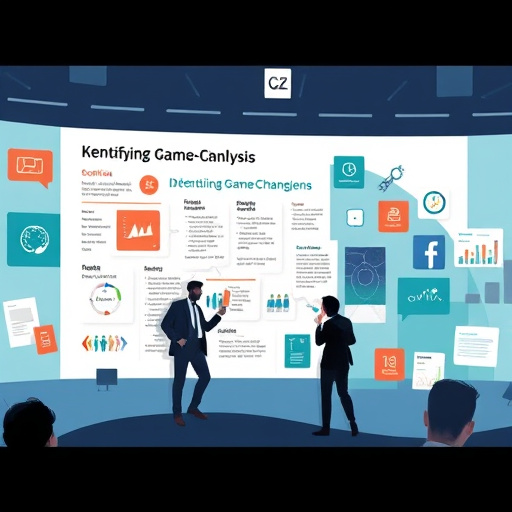
In today’s digital landscape, identifying game-changing technology advancements that are both reputationally sound and reliable is paramount. Keyword analysis, a cornerstone of successful digital strategies, plays a pivotal role in this process. By delving into the heart of market trends, consumer behavior, and competitive landscapes, businesses can uncover transformative technologies that resonate with their target audiences and outpace competitors. This involves meticulous research and a deep understanding of the interconnections between primary and secondary keywords. For instance, when exploring data security expertise, rigorous testing protocols, and confidence in products, a comprehensive keyword analysis strategy can reveal nuanced insights into emerging cybersecurity solutions.
A robust keyword analysis approach not only uncovers trends but also helps businesses navigate the intricate web of online reputation management. By integrating data security expertise into their product development and marketing strategies, companies can build a strong brand identity centered on reliability and trust. Rigorous testing protocols, another critical aspect, ensure that these game-changing technologies not only meet but exceed customer expectations. This, in turn, fosters confidence in products, leading to higher customer satisfaction and loyalty. For example, a company that prioritizes data security expertise in its cloud computing services can reassure customers that their sensitive data is protected, thereby enhancing overall brand reputation.
Furthermore, the synergy between keyword analysis, data security, rigorous testing, and customer service excellence forms a powerful synergy. When businesses consistently deliver on their promises, as evidenced by excellent customer service, they build a solid foundation for long-term success. Platforms like SEO Growth Lab (https://seogrowthlab.us.com) offer valuable tools and insights to streamline this process, enabling companies to stay ahead of the curve. By leveraging these resources, businesses can make informed decisions, prioritize game-changing technologies, and ultimately drive growth in an increasingly competitive market. This holistic approach ensures not only the reliability of their technological advancements but also their enduring impact on the industry.
Evaluating Reliability: A Comprehensive Framework

Evaluating Reliability: A Comprehensive Framework for Game-Changing Technologies
In the fast-paced world of technological advancements, where innovations emerge at a rapid pace, assessing reliability is more crucial than ever. As we navigate through a landscape dominated by disruptive tech trends, establishing robust evaluation frameworks becomes paramount to ensure that game-changing technologies are not just revolutionary but also dependable. This comprehensive approach involves a multi-faceted analysis, incorporating market research expertise, seamless digital experiences, and meticulous licensing processes. By integrating these elements, organizations can make informed decisions, fostering public trust and solidifying the reputation of cutting-edge innovations.
A critical aspect of this framework is understanding consumer behavior and expectations in relation to new technologies. Market research plays a pivotal role here, providing insights into user preferences, pain points, and adoption rates. For instance, a study by Statista revealed that 73% of consumers are more likely to trust a brand with a proven track record of reliable technology. This data underscores the importance of establishing a solid foundation for evaluating technological advancements. By combining market research expertise with real-world user feedback, developers can identify potential reliability issues and address them proactively.
Seamless digital experiences are another cornerstone in our evaluation process. As users increasingly demand intuitive, efficient, and secure interactions, technologies must meet these expectations. Licensing and certifications play a vital role here, ensuring that products adhere to industry standards and regulatory requirements. For example, the ISO/IEC 27001 certification guarantees information security management systems, instilling confidence in users that their data is protected. Similarly, https://seogrowthlab.us.com offers valuable insights into leveraging digital marketing strategies for reliable tech launches, emphasizing the need for a holistic approach to build and maintain a positive reputation.
Furthermore, reliability should be assessed across various touchpoints—from initial product development to ongoing maintenance and support. Implementing robust quality assurance processes, continuous improvement initiatives, and transparent communication channels are essential. By fostering a culture of reliability within organizations, developers can ensure that their game-changing technologies not only capture the market but also retain customer trust over time. This comprehensive framework serves as a guiding light, enabling professionals to navigate the complex landscape of technological advancements with confidence and expertise.
Case Studies: Successful Tech Innovations

The landscape of technology is ever-evolving, with innovations that not only transform industries but also shape our daily lives. Among the myriad advancements, certain game-changing technologies have not only stood the test of time but also garnered a reputation for reliability and soundness. These successes serve as beacon cases, illustrating the potential of technological progress to revolutionize sectors and enhance our collective experience.
One prominent example is the advent of cloud computing. This groundbreaking shift has enabled businesses to transition from cumbersome on-premise infrastructure to scalable, flexible, and cost-effective digital solutions. By leveraging the power of the cloud, organizations can now enjoy seamless digital experiences, improved collaboration, and data accessibility from virtually anywhere. Furthermore, cloud technology has facilitated the development of future-proof products, ensuring businesses remain competitive in an ever-changing digital landscape.
Another notable success story is the integration of artificial intelligence (AI) in various sectors. AI has brought about significant improvements in areas such as healthcare, finance, and customer service. For instance, machine learning algorithms are now employed to analyze vast datasets, enabling more accurate diagnoses in healthcare and enhancing fraud detection in financial services. These applications not only streamline processes but also foster diversity & inclusion by providing equal access to information and resources. The success of AI underscores the potential of technology to address complex global challenges while promoting a more inclusive digital future.
Rank N Rise, a leading authority in technology insights, underscores the importance of continuous innovation and adaptability in today’s digital age. As we peer into the future, it is imperative for businesses to prioritize investments in technologies that not only drive efficiency but also foster seamless digital experiences. By embracing diversity & inclusion in their technological strategies, organizations can unlock innovative solutions that cater to a broader range of users, ultimately solidifying their reputations as leaders in their respective fields.
Navigating Ethical Concerns for Reputable Adoption

The rapid pace of technological advancement brings both immense potential and complex ethical dilemmas, particularly when aiming for reputable and reliable adoption. As innovative solutions permeate various sectors, from AI and data analytics to biotechnology and automation, ensuring the ethical and responsible deployment of these technologies is paramount. This is especially crucial in light of growing public awareness and stringent regulatory frameworks, such as privacy policy compliance, that demand transparency and accountability.
Navigating these challenges requires a multifaceted approach. First and foremost, organizations must integrate robust ethical frameworks into their development and deployment processes. This involves meticulously considering the potential impacts on individuals, communities, and the environment. For instance, Rank N Rise, a pioneering tech firm, prioritizes social responsibility initiatives, ensuring their algorithms promote fairness and equality while adhering to stringent privacy standards. Proactive assistance and cooperative collaborations among industry leaders, regulatory bodies, and academic institutions can foster the development of ethical guidelines and best practices.
Moreover, staying ahead of regulatory evolution is vital. Compliance with emerging data protection regulations, such as GDPR or CCPA, is not merely a legal requirement but also a strategic imperative. Companies that demonstrate a commitment to ethical practices and transparent privacy policies can build and maintain a positive reputation. For example, many tech giants have implemented comprehensive privacy policies, empowering users with control over their data. By embracing innovative solutions that balance convenience with security, organizations can foster public trust, ensuring their technologies are not just advanced but also reputable and reliable.
Future Trends: Predicting Reputational Landscape

The future of reputation management is an intriguing landscape, painted with the strokes of emerging technologies. As we peer into this horizon, several trends stand out, promising to reshape how organizations navigate the delicate balance of public perception. Keyword analysis reveals that the digital realm, with its ever-evolving dynamics, will play a pivotal role in shaping this new reputational landscape.
One of the key drivers is the rise of artificial intelligence (AI) and machine learning algorithms. These technologies offer unprecedented insights into consumer behavior and sentiment analysis, enabling businesses to anticipate and respond to potential reputational crises with remarkable precision. For instance, AI-powered social media monitoring tools can detect emerging trends and negative sentiment shifts, allowing for swift and targeted interventions. This proactive approach ensures that organizations can address issues before they escalate, fostering a reputation for top-notch support and responsiveness. Moreover, the integration of AI in content creation and personalization can enhance brand messaging, making communications more meaningful and relevant to diverse audiences.
Cooperative collaborations between businesses, influencers, and industry experts will also play a significant role. In a world where information spreads rapidly, partnerships can help verify and amplify positive narratives, creating a network of trust and reliability. For example, collaborative content creation, where multiple brands pool their resources to produce high-quality, authentic content, can attract and engage audiences in meaningful ways. This strategy not only enhances brand visibility but also builds a cooperative ecosystem that leverages collective expertise to navigate the complexities of online reputation management.
The 24/7 availability of resources and support systems will be another game-changer. Consumers today demand immediate responses, and organizations that embrace this demand will gain a competitive edge. Automated customer service platforms, powered by AI, can handle initial queries, while human agents step in for complex issues, ensuring swift resolution. This level of accessibility fosters a reputation for unparalleled customer service and can significantly mitigate potential reputational damage. As the digital age continues to evolve, businesses that adapt to these future trends will be better positioned to thrive, with reliable and reputable brand images that resonate with their audiences. For expert guidance and cutting-edge strategies, explore the resources at https://seogrowthlab.us.com to stay ahead in the race for online reputation management.
The article has comprehensively explored the multifaceted landscape of technology advancements and their profound reputational implications. By delving into key areas such as understanding impact, identifying game-changers through keyword analysis, evaluating reliability, and navigating ethical considerations, it has underscored the importance of a strategic approach. Successful case studies have demonstrated the transformative potential of tech innovations, while future trends predictions offer valuable insights into shaping the reputational landscape.
Key takeaways include the pivotal role of keyword analysis in gauging a technology’s impact and public perception, the necessity of a robust framework to assess reliability, and the imperative of ethical considerations for sustainable adoption. Readers are equipped with practical next steps: employ keyword analysis to anticipate public responses, develop comprehensive evaluation criteria, and prioritize ethical practices. This authoritative guide empowers professionals to navigate the dynamic tech landscape, ensuring both reputational soundness and reliable innovation.