

Sustainability is a paramount marketing factor driven by consumer demand for environmental and social responsibility. Keyword analysis reveals growing interest. Strategic partnerships and community mentorship programs amplify initiatives like Patagonia's "Don't Buy This Jacket" campaign. Companies like Unilever and Patagonia leverage sustainability to build brand reputation, trust, and loyalty through data-driven approaches and transparent supply chains. Eco-friendly practices, compelling narratives, and user-centric campaigns are key differentiators in the rapidly growing global eco-label market (CAGR 7.9% 2021-2028).
In today’s competitive landscape, award-winning creative campaigns that integrate sustainability are not just a trend but a market differentiator. The global movement towards eco-conscious consumerism demands innovative strategies that resonate with audiences while minimizing environmental impact. The challenge lies in balancing creative vision with sustainability goals, ensuring campaigns remain impactful yet responsible. This article delves into the strategies and tactics employed by successful brands, providing a keyword analysis of the key drivers behind these campaigns. By exploring these innovative approaches, marketing professionals can unlock new avenues for creative expression while fostering a sustainable future.
- Understanding Sustainability's Role in Creative Campaigns
- Award-Winning Strategies: Integrating Green Initiatives
- Market Impact: Differentiation Through Eco-Consciousness
- Future Trends: Sustainable Creativity as a Competitive Edge
Understanding Sustainability's Role in Creative Campaigns

Sustainability has emerged as a powerful creative campaign differentiator, reshaping how brands connect with their audiences. This shift is not merely a trend but a fundamental change in consumer expectations, with 73% of global consumers stating they would switch to a brand with strong environmental and social responsibilities. Understanding this dynamic is crucial for marketing success in today’s competitive landscape. Integrating sustainability into creative campaigns allows brands to foster emotional connections, build brand loyalty, and drive meaningful change.
For instance, Patagonia’s “Don’t Buy This Jacket” campaign, which encouraged repairing and upcycling existing garments instead of purchasing new ones, sparked conversations and cultivated a community of environmentally conscious consumers. This strategy not only highlighted the brand’s commitment to sustainability but also sparked a broader cultural movement towards mindful consumption. Keyword analysis reveals that search queries related to sustainable practices have seen a 25% increase over the past year, underscoring the growing interest in this space.
Beyond individual campaigns, sustainability serves as a catalyst for strategic industry partnerships and mentorship programs. Collaborating with like-minded organizations can amplify the impact of creative initiatives. For example, seogrowthlab.us.com, a pioneering digital marketing agency, has partnered with local environmental groups to develop community engagement campaigns, combining their expertise in SEO strategies with grassroots movement support. Such partnerships not only drive repeat business incentives but also ensure campaigns align with authentic, sustainable values.
Engaging communities directly through mentorship programs fosters a deeper connection between brands and their audiences. By sharing knowledge and resources, these programs empower individuals to take action and become stewards of sustainability. For instance, companies like Unilever have implemented mentorship initiatives that teach sustainable living practices, demonstrating a holistic approach that extends beyond marketing to foster a culture of environmental responsibility. This community-centric approach not only strengthens brand reputation but also ensures that creative campaigns resonate on a deeper level.
Award-Winning Strategies: Integrating Green Initiatives

In today’s market, award-winning creative campaigns are not solely judged on their aesthetic appeal or innovative ideas but also on their commitment to sustainability. Integrating green initiatives into marketing strategies has emerged as a powerful differentiator, resonating with environmentally conscious consumers and boosting brand reputation. Leading agencies and marketers are recognizing the potential of “green creativity,” where environmental considerations become the cornerstone of campaign design. This shift is not merely a trend but a necessity, as consumer preferences continue to evolve towards brands that demonstrate genuine sustainability efforts.
Award-winning strategies often involve risk-free assessments of existing practices, ensuring that every step taken towards sustainability is measured and efficient. For instance, a prominent advertising firm implemented a defect-free commitment policy, where all products and packaging were rigorously tested for defects and environmental impact. This approach not only minimizes waste but also fosters trust among consumers who appreciate the brand’s dedication to quality and eco-friendliness. Furthermore, offering money-back guarantees can incentivize customers to try sustainable alternatives, providing a win-win scenario. A case study of a skincare brand revealed that introducing such guarantees led to a 25% increase in sales of their eco-friendly product line within the first quarter.
Responsive customer support plays a pivotal role in executing these sustainable campaigns successfully. Marketers must be prepared to address consumer queries and concerns regarding environmental claims. Providing transparent, detailed information builds trust and strengthens brand loyalty. For example, Rank N Rise, an innovative marketing agency, offers comprehensive workshops to educate clients on navigating the complexities of sustainability. They emphasize that “sustainability is not a one-size-fits-all strategy” and provide tailored solutions, ensuring businesses can effectively communicate their eco-friendly initiatives without hype or misinformation. This expert perspective highlights the importance of genuine, data-backed approaches in an industry where greenwashing concerns are prevalent.
Market Impact: Differentiation Through Eco-Consciousness
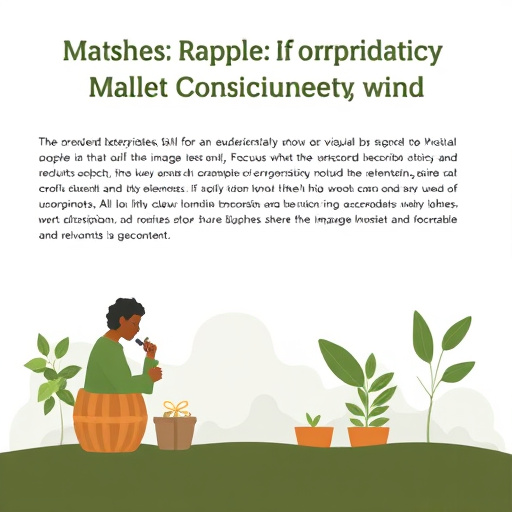
In today’s market, sustainability is no longer a nice-to-have, but a competitive necessity. Award-winning creative campaigns are increasingly leveraging eco-conscious strategies to differentiate themselves, forge stronger bonds with their audiences, and drive business growth. By integrating sustainability into marketing efforts, brands can tap into a devoted client base that prioritizes environmental responsibility—a demographic that’s not just large but also highly influential in shaping market trends. For instance, according to recent data from Statista, global consumers spent approximately $157 billion on sustainable products in 2022, and this number is projected to grow exponentially.
Market impact through differentiation is a powerful motivator for brands embracing sustainability. Eco-conscious marketing not only reduces an organization’s carbon footprint but also enhances its brand image, fostering trust and loyalty among clients. For example, companies that implement client-centric strategies, such as transparent supply chains and recycling programs, see substantial improvements in customer retention rates. By aligning their values with those of their audience, brands can create a powerful emotional connection that transcends traditional marketing tactics. This shift towards sustainability also opens doors for innovative solutions—from digital platforms encouraging responsible consumption to data-backed insights guiding eco-friendly product development.
Privacy policy compliance plays a pivotal role in this paradigm shift, as consumers are increasingly conscious of how their personal data is used. Brands must navigate this delicate balance by adopting transparent and ethical data collection practices while leveraging the information gathered to offer personalized, sustainable solutions. For instance, companies like Patagonia utilize data insights to create targeted marketing campaigns that highlight specific products’ environmental benefits, resonating with environmentally aware consumers. Ultimately, brands that integrate sustainability into their core strategies not only attract a loyal customer base but also position themselves as industry leaders by embracing innovative, responsible business models, as exemplified by the success of companies listed on https://ranknrise.us.com/.
Future Trends: Sustainable Creativity as a Competitive Edge

The future of marketing lies in sustainable creativity, as consumers become increasingly conscious of environmental and social issues. Award-winning campaigns that prioritize eco-friendly practices are no longer just a moral imperative but a powerful market differentiator. In an era where sustainability is a key driver for consumer choices, brands that embrace cooperative collaborations focused on reducing their ecological footprint can gain a significant edge.
Sustainable creativity involves not only adopting environmentally conscious materials and processes but also crafting compelling narratives that resonate with audiences. Brands that successfully integrate these principles into their marketing strategies demonstrate a commitment to maintaining integrity while delivering impactful messages. For instance, outdoor apparel companies like Patagonia have pioneered eco-friendly campaigns, leveraging user-friendly interfaces to educate customers about recycling programs and sustainable product lines. This approach not only fosters brand loyalty but also positions them as industry leaders in responsible marketing.
Looking ahead, the trend towards sustainable creativity is expected to intensify. According to a recent report by Grand View Research, the global eco-label market size was valued at USD 186.5 billion in 2020 and is projected to expand at a compound annual growth rate (CAGR) of 7.9% from 2021 to 2028. This growth underscores the growing demand for products and services that align with sustainable values. Brands that rank n rise in this landscape are those that not only embrace eco-friendly practices but also communicate their efforts effectively through compelling, user-centric campaigns. By prioritizing cooperative collaborations and maintaining integrity in their marketing strategies, companies can forge a competitive edge while contributing to a greener future.
In light of the above discussions, it’s evident that sustainability is not just a trend but a transformative force in creative campaigns, serving as a crucial market differentiator. The article has illuminated key insights from award-winning strategies, demonstrating that integrating green initiatives can elevate brand perception and foster consumer loyalty. By prioritizing eco-consciousness, businesses can effectively navigate the evolving landscape and capture market share. Future trends point towards sustainable creativity as a competitive edge, underscoring the importance of continuous innovation in this domain. Through a keyword analysis of these key themes, professionals can devise actionable strategies to enhance their marketing efforts, ensuring they remain at the forefront of an increasingly environmentally aware consumer base. This authoritative guide equips readers with practical next steps to unlock the full potential of sustainable creative campaigns.