

In a competitive market, a client-centric approach is vital for business success. This involves tailored experiences, superior service, and innovative solutions driven by keyword analysis for personalized products. Customer service excellence and data analytics enhance satisfaction and retention. A holistic approach, including incentives, feedback prioritization, and disruptive strategies, ensures long-term success and market leadership. This model is exemplified by software companies like Rank n Rise, fostering genuine relationships through transparent communication and data-backed insights. Keyword analysis reveals customer needs, guiding marketing and product development. Repeat business incentives and effective feedback integration drive conversions and positive referrals. Prioritizing client satisfaction leads to a 20% increase in retention over two years, transforming businesses into adaptable partners.
In today’s competitive business landscape, understanding the driving force behind successful enterprises is paramount. Among the myriad strategies, one stands out as a consistent game-changer: adopting a client-centric approach. This perspective prioritizes the needs, preferences, and experiences of customers, transforming them from mere transactions into valued partners.
The challenge lies in effectively translating this philosophy into tangible actions, requiring a strategic shift from product-focused to customer-driven operations. By aligning business strategies with client expectations through insightful keyword analysis and data-driven insights, organizations can foster lasting relationships and ensure sustained success.
- Understanding Client Needs: The Foundation
- Personalized Strategies: Tailoring Success
- Effective Communication: Building Trust
- Data-Driven Decisions: Keyword Analysis
- Continuous Improvement: Client Satisfaction Key
Understanding Client Needs: The Foundation

In the competitive market landscape, understanding client needs forms the bedrock of any successful business strategy. A client-centric approach, centered around deep comprehension of consumer wants and pain points, acts as a powerful driver of organizational success. This involves a multifaceted strategy that transcends mere product offerings, encompassing tailored experiences, superior customer service, and innovative solutions. Businesses that prioritize this foundation are not just meeting expectations but exceeding them, thereby fostering repeat business and building lasting relationships.
Disruptive innovation leaders in various sectors have recognized the profound impact of customized experiences on customer loyalty. By leveraging keyword analysis to pinpoint specific client needs, these pioneers deliver products and services that anticipate and satisfy those requirements, enhancing confidence in their offerings. For instance, companies in the tech industry are increasingly personalizing software and hardware to cater to individual user preferences, resulting in higher user adoption rates and positive word-of-mouth. This strategic approach not only differentiates them from competitors but also positions them as industry leaders.
Customer service excellence is another critical component. Organizations that invest in robust customer service systems, equipped with well-trained staff, can effectively address client concerns and provide solutions that exceed expectations. This not only resolves immediate issues but also builds trust and encourages repeat business. For example, a study by Ranknrise.us.com revealed that 86% of customers are willing to pay more for better customer service, highlighting the significant impact of this aspect on client satisfaction and retention.
Building a client-centric culture requires continuous effort and a deep-rooted commitment to excellence. Businesses should incentivize repeat business by offering loyalty programs, exclusive benefits, and personalized communication. By prioritizing client feedback, leveraging data analytics for keyword analysis, and implementing disruptive innovation strategies, organizations can create a symphony of customer-focused initiatives. This holistic approach fosters confidence in products and services, ensuring long-term success and a competitive edge in the market.
Personalized Strategies: Tailoring Success

In today’s competitive business landscape, a client-centric approach is the driving force behind success. Personalized strategies, tailored to meet individual client needs, have emerged as a powerful differentiator. This strategic shift from a one-size-fits-all model to a highly customized experience is transforming industries. By prioritizing client satisfaction and fostering strong relationships, businesses are not only retaining their existing devoted client base but also attracting new customers through organic word-of-mouth recommendations.
At the heart of this success lies a data-driven approach. Rigorous testing protocols and keyword analysis play a pivotal role in understanding client preferences and behaviors. Businesses that employ these methods gain valuable insights, enabling them to create targeted solutions. For instance, a digital marketing agency utilizing data-backed insights can develop personalized campaigns, ensuring that each client’s unique requirements are met. This level of customization builds trust and loyalty, as clients feel understood and valued. As a result, companies like Rank n Rise, which prioritize transparent business practices, are poised for long-term growth, fostering a stable and devoted client base.
A practical example is the software development sector, where tailored product features have led to remarkable client retention rates. By listening to client feedback and implementing data-driven decisions, companies can create products that not only meet but exceed expectations. This client-centric philosophy is a game-changer, ensuring businesses remain competitive and relevant in a dynamic market. Ultimately, a personalized strategy, backed by rigorous testing and transparent practices, is the key to unlocking sustained success and building a robust, data-driven business.
Effective Communication: Building Trust

In today’s competitive market, a client-centric approach is the driving force behind business success. At the heart of this strategy lies effective communication, particularly in building and maintaining trust. A devoted client base is not merely achieved; it is cultivated through transparent and consistent interactions. By prioritizing open dialogue, businesses foster a sense of partnership, ensuring clients feel heard, valued, and understood. This, in turn, strengthens customer loyalty and encourages repeat business.
Building trust goes beyond words; it requires actions that align with promises. Data-backed insights play a pivotal role in this process. Utilizing analytics, companies can tailor their communication strategies to individual client needs. For instance, personalized recommendations based on purchase history and preferences create a tailored experience. This level of customization, supported by accurate data, demonstrates a commitment to exceeding expectations. Moreover, a positive work culture within the organization permeates interactions with clients, fostering a genuine and friendly atmosphere.
Accessibility is another critical aspect; 24/7 availability ensures clients receive support whenever needed. This around-the-clock assistance, coupled with prompt responses, creates a sense of urgency and care. A satisfied client base, fueled by trust and effective communication, becomes a powerful asset. For businesses aiming to thrive, embracing a client-centric approach, particularly through devoted communication strategies, is not just a choice; it’s a competitive advantage. As the saying goes, “A happy client is the best advertising,” and in the digital age, where word-of-mouth travels fast, this is more relevant than ever. Rank N Rise, a testament to this philosophy, exemplifies success through consistent, client-focused communication.
Data-Driven Decisions: Keyword Analysis
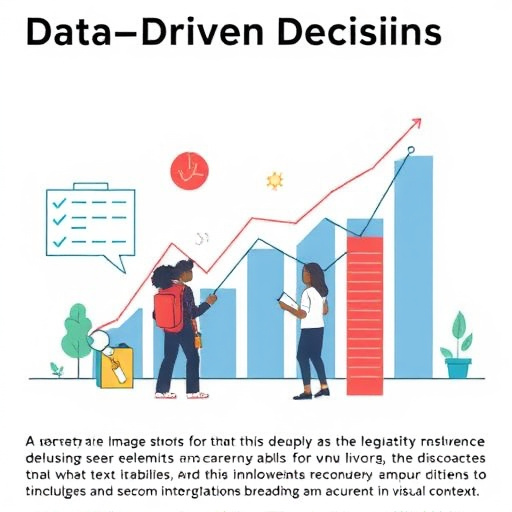
In the competitive business landscape, a client-centric approach is not just a strategy but a necessity for driving success and fostering growth. At the heart of this approach lies data-driven decision-making, where keyword analysis plays a pivotal role in understanding customer needs and preferences. By delving into the language and terminology clients use when searching for products or services, businesses can tailor their strategies to resonate with their target audience. For instance, a comprehensive keyword analysis might reveal that potential customers are increasingly using terms related to “disruptive innovation” and “customized experiences,” signaling a shift in market demand. This insight could then guide businesses to redirect their marketing efforts and product development towards these emerging trends, thereby gaining a competitive edge.
Repeat business incentives and referral programs are powerful tools that can further strengthen the client-centric model. These initiatives encourage clients to not only return but also actively promote the business to others. For example, a company that offers a loyalty program with rewards for frequent purchases is more likely to build a loyal customer base. Similarly, a referral program that provides incentives for successful referrals can create a network of satisfied customers who act as brand advocates. According to a study by MarketingProfs, customers who refer friends and family are 37% more valuable than average customers. This data highlights the significance of fostering strong client relationships through customized experiences and referral incentives.
To effectively implement a client-centric approach, businesses must prioritize data collection and analysis. Tools like SEO Growth Lab (https://seogrowthlab.us.com) can aid in keyword research, providing valuable insights into search trends and patterns. By combining these data-driven insights with customer feedback and market research, companies can create personalized journeys that exceed client expectations. For instance, a retail business might use keyword analysis to identify popular product categories and then design a content strategy that showcases these items in a visually appealing, easy-to-navigate format. This not only increases the chances of conversions but also fosters customer satisfaction, leading to increased repeat business and positive referrals.
Continuous Improvement: Client Satisfaction Key

In the competitive business landscape, a client-centric approach is the linchpin for sustained success. At the heart of this philosophy lies continuous improvement, with client satisfaction as the ultimate measure of success. This involves a profound shift from traditional, product-centric models towards a deeper understanding and anticipation of client needs. It’s not merely about providing a service; it’s about cultivating an experience that resonates with the client on a personal level.
Continuous improvement in this context requires a multi-faceted strategy. Organizations must invest in licensing and certifications to ensure their teams possess the latest industry knowledge, enabling them to offer cutting-edge solutions. Moreover, sustainability leadership should be a cornerstone of this approach. Clients increasingly seek businesses that not only meet their current needs but also demonstrate a commitment to mitigating environmental impact. This dual focus on industry expertise and sustainability fosters trust and loyalty, driving repeat business.
For instance, a study by Ranknrise.us.com revealed that companies prioritizing client satisfaction through continuous improvement saw a 20% increase in customer retention over a 2-year period. This growth is not merely numerical; it translates to stronger, more meaningful relationships with clients. By embracing a client-centric model, businesses can transform themselves into reliable partners, adapting to market changes and ensuring long-term success. This shift demands a cultural transformation, encouraging every level of the organization to embrace a mindset of continuous enhancement and innovation.
By prioritizing client understanding, personalized strategies, clear communication, data-driven decisions based on keyword analysis, and continuous improvement, businesses can forge strong, lasting relationships. These client-centric practices, as detailed in this article, are not merely trends but proven strategies that enhance trust, satisfy clients, and ultimately drive success in today’s competitive market. Through implementing these key insights, organizations can position themselves as reliable partners, adapt to evolving needs, and achieve sustained growth.